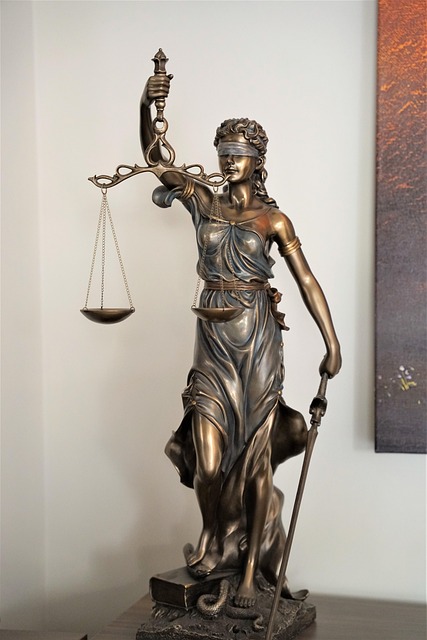
Lighting in law offices significantly impacts productivity, well-being, and energy efficiency. Natural light is ideal but artificial LED lighting with adjustable color temperatures fills gaps. Cool white (4000K) and daylight (5000K-6500K) promote alertness. Adjustable task lighting minimizes eye strain, while ambient lighting sets a professional tone. Strategically designed lighting in conference rooms enhances group discussions. Customized LED systems reduce energy costs by up to 75%, improve focus, and mitigate eye fatigue, fostering an optimal environment for law office equipment and personnel.
Illumination plays a pivotal role in shaping the ambiance and efficiency of any professional space, particularly a law office. The choice of lighting is not merely aesthetic; it directly impacts productivity, staff morale, and client perceptions. In the heart of legal practice, where precision and focus are paramount, selecting the right lighting equipment can significantly enhance workflow and overall office dynamics. This article delves into the strategic considerations for choosing lighting in a law office, offering insights to elevate the space from mundane to inspiring while ensuring optimal functionality through carefully curated law office equipment.
- Understanding Lighting's Impact on Law Office Productivity
- Evaluating Lighting Needs for Different Legal Workspaces
- Selecting Equipment: Energy-Efficient Lighting Solutions
- Creating a Productive Atmosphere with Customized Lighting Design
Understanding Lighting's Impact on Law Office Productivity
The lighting environment within a law office plays a significant role in shaping the productivity and overall well-being of legal professionals. Studies have shown that appropriate lighting can enhance focus, reduce eye strain, and improve mood, all essential factors for maintaining high levels of productivity throughout the day. In contrast, inadequate or poorly designed lighting can lead to fatigue, decreased concentration, and increased stress, negatively impacting both efficiency and employee satisfaction.
In a law office setting, where intricate legal work and prolonged periods of focus are common, choosing the right lighting is not merely an aesthetic decision but a strategic one. Natural light is generally considered ideal, as it provides a consistent, healthy glow that mimics natural outdoor environments. Law offices designed with large windows or skylights benefit from this natural source, which has been proven to improve alertness and cognitive performance among legal practitioners. However, for spaces lacking ample natural light, artificial lighting must fill the gap effectively.
LED lighting is increasingly becoming the preferred choice for law office equipment due to its energy efficiency and ability to provide precise color temperature settings. Cool white (around 4000K) or daylight (5000K-6500K) lighting is recommended as these temperatures mimic natural sunlight, promoting alertness and reducing eye fatigue. Adjusting the color temperature throughout the day can even help regulate circadian rhythms, leading to better rest and overall health. For example, a study by the Lighting Research Center found that shifting from warmer to cooler lighting in the afternoon helped participants feel more energetic and improved their performance on cognitive tasks.
Moreover, implementing adjustable lighting solutions allows legal professionals to customize their workspace environment according to task demands. Task-specific lighting, such as desk lamps or flexible arm fixtures, enables practitioners to focus light directly where it’s needed, reducing glare and eye strain during detailed document review or research. This personalized approach not only enhances productivity but also fosters a sense of control and comfort, contributing to a more positive work experience.
Evaluating Lighting Needs for Different Legal Workspaces
Evaluating lighting needs for different legal workspaces is a critical aspect of creating an efficient and productive law office environment. The type of lighting chosen can significantly impact attorneys’ concentration, client perceptions, and overall well-being. For instance, natural light has been shown to enhance cognitive function by up to 50% according to various studies, making it a valuable asset in any legal setting. Law offices should prioritize incorporating large windows or skylights where possible to take full advantage of daylighting. This not only reduces the need for artificial lighting during the day but also contributes to a healthier and happier workforce.
However, not all legal work occurs under natural light conditions. For nocturnal or indoor-focused tasks, task lighting becomes paramount. Desk lamps and overhead fixtures should be designed to minimize eye strain while providing adequate illumination for reading documents, conducting research, or preparing cases. LED lights are increasingly preferred due to their energy efficiency and longer lifespan compared to traditional incandescent bulbs. For example, a study by the U.S. Department of Energy found that LED lighting can save law offices up to 75% in energy costs over the lifetime of the fixtures. Integrating adjustable lighting solutions allows attorneys to customize their workspace environment according to specific tasks, further enhancing productivity.
In addition to task lighting, ambient lighting plays a crucial role in setting the tone and atmosphere within a law office. This type of lighting should be designed to create a sense of calm and professionalism while ensuring even illumination across the space. Suspended fixtures or recessed lights strategically placed can help achieve this balance. For larger conference rooms where group discussions take place, pendant lights or flush-mounted fixtures that provide diffused light are ideal. These considerations not only impact visual comfort but also contribute to the overall aesthetics of the law office, which can significantly influence client perceptions and impressions.
Ultimately, evaluating lighting needs for different legal workspaces requires a nuanced approach that balances functionality, energy efficiency, and aesthetics. By carefully considering these factors, law offices can create environments that promote productivity, reduce eye strain, and foster a positive working atmosphere. Investing in high-quality, tailored lighting solutions is not merely an upgrade; it’s a strategic decision that can provide a competitive edge in the legal profession.
Selecting Equipment: Energy-Efficient Lighting Solutions
A well-lit law office is not just aesthetically pleasing; it significantly impacts productivity, client perception, and even legal outcomes. When selecting lighting solutions for such an environment, energy efficiency should be a top priority. Not only does it reduce operational costs, but it also contributes to a greener and more sustainable working space—a growing concern among clients and professionals alike. Modern law office equipment, particularly advanced technology like digital displays and smart devices, generates significant amounts of heat and demands precise lighting to prevent eye strain and ensure optimal performance.
LED lighting systems are the gold standard in energy-efficient solutions. They consume up to 75% less energy than traditional incandescent bulbs and last 25 times longer, reducing maintenance costs and waste. For instance, a study by the U.S. Department of Energy found that LED adoption can save commercial buildings up to 70% on lighting energy use. In a law office, this translates to substantial savings and a reduced environmental footprint. Moreover, adjustable lighting systems, such as those with dimmable LEDs or smart controls, allow for precise illumination based on the task at hand—whether it’s bright lighting for detailed document review or softer, more diffused light for conference rooms.
To maximize efficiency, consider integrating natural light wherever possible. Large windows and skylights not only brighten up the space but also provide healthy daylight exposure, which studies show can enhance cognitive function and reduce stress levels among legal professionals. Complementing natural light with strategic artificial lighting ensures a balanced environment that supports both comfort and productivity throughout the day. When selecting fixtures, opt for those designed to direct light towards task areas, minimizing glare and shadow, thereby reducing eye fatigue and enhancing focus—crucial aspects in maintaining peak performance in a high-pressure legal setting.
Creating a Productive Atmosphere with Customized Lighting Design
A well-lit law office is not merely an aesthetic consideration; it’s a critical component of creating an environment conducive to productivity and focus. Customized lighting design plays a pivotal role in enhancing the ambiance, ensuring that every corner of the workspace serves its purpose effectively. In this context, natural light remains the gold standard, offering benefits beyond aesthetics—it regulates circadian rhythms, improves mood, and reduces eye strain, all essential for maintaining concentration throughout the day. Law offices equipped with ample windows allowing sunlight to permeate the space enjoy higher levels of productivity from their staff.
However, relying solely on natural light may not be feasible or desirable in every situation. Here, tailored artificial lighting solutions become indispensable. LED technology, for instance, offers a range of color temperatures that can be adjusted to mimic natural daylight, promoting better visual acuity and overall well-being. Customizable lighting fixtures enable the law office equipment and furnishings to adapt to various tasks—a bright, focused light for reading legal documents, softer illumination for collaborative discussions, and ambient lighting for relaxation areas. Studies have shown that adjustable lighting systems can significantly impact employee satisfaction and performance, with up to 40% increase in productivity reported in some studies.
Creating a balanced lighting design involves considering both quantity and quality. High-intensity task lighting should be strategically placed near desks and work stations, while ambient lighting should fill the rest of the space evenly. Incorporating dimmable switches allows for flexibility, enabling employees to adjust light levels according to their preferences and tasks. Moreover, incorporating smart lighting systems can further enhance efficiency by automating adjustments based on time of day or occupancy, leading to not only energy savings but also a more comfortable and productive environment that caters to the unique demands of legal practice.
By strategically choosing lighting for a law office, practitioners can significantly enhance productivity among their teams. This article has illuminated several key insights: lighting impacts work performance and well-being, necessitating tailored solutions; different legal workspace areas require distinct lighting considerations; energy-efficient, high-quality fixtures are both cost-effective and environmentally responsible; and customized lighting designs create an inviting, productive atmosphere. Moving forward, prioritizing law office equipment—specifically lighting—will not only elevate the work environment but also foster a more engaged, efficient legal team. Implement these principles to optimize productivity and set your practice apart in the modern professional landscape.