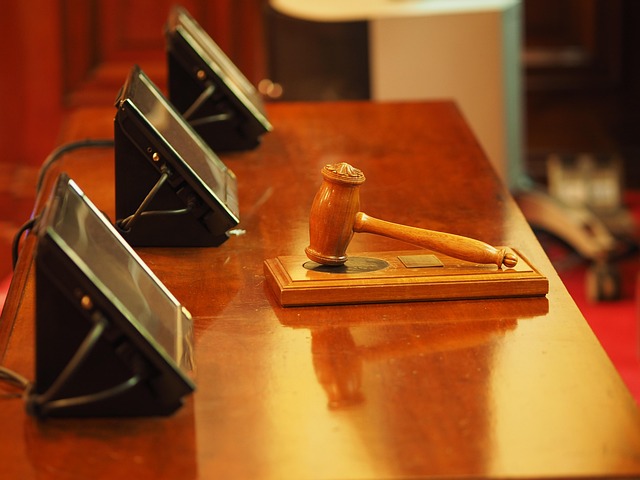
The ambiance of a law office, particularly lighting, significantly impacts lawyers' performance and well-being. Natural light enhances alertness and mood by 15%, making LED fixtures preferred for longevity and energy efficiency. Well-designed lighting fixtures mitigate shadows and reduce eye fatigue, while dimmer switches allow tailored light levels for various tasks. Integrate task and ambient lighting (500-1000 lux) to foster productivity, reduce eye strain, and inspire clients. Strategic law office equipment naturally enhances the work environment, boosting cognitive performance and client satisfaction.
Illumination plays a pivotal role in shaping the ambiance and productivity of any workspace, particularly within the confines of a law office. The choice of lighting fixtures goes beyond aesthetics; it directly impacts concentration levels, client perceptions, and overall efficiency. This article delves into the intricate process of selecting optimal lighting for legal practices, considering various factors such as task-specific requirements, energy efficiency, and ergonomic design. We will explore how the right light can enhance productivity, create a welcoming atmosphere, and contribute to the success of law office equipment and operations alike.
- Assessing Lighting Needs for Optimal Law Office Efficiency
- Selecting and Integrating Equipment for a Well-Lit Workspace
Assessing Lighting Needs for Optimal Law Office Efficiency
The ambiance of a law office significantly impacts lawyers’ focus, productivity, and overall well-being. Assessing lighting needs is a critical yet often overlooked aspect of creating an efficient workspace. Natural light, a staple in modern design, should be leveraged where possible, as it improves alertness, reduces eye strain, and enhances mood. Law offices near windows or with access to skylights enjoy distinct advantages; these sources provide consistent daylight, which studies show can boost productivity by up to 15% compared to artificial lighting alone.
Artificial lighting, however, remains indispensable for managing variable day lengths and maintaining a comfortable environment during all hours of operation. LED lighting is the preferred choice among law offices due to its longevity, energy efficiency, and ability to be dimmed, offering versatility in accommodating different tasks and user preferences. For instance, task lighting—focused lighting directed at specific work areas—can enhance productivity by reducing glare and enabling precise, comfortable viewing of legal documents. Dimming capabilities allow for easy adjustments to light levels based on the time of day and individual tasks, ensuring optimal visibility without strain.
Complementing natural and artificial lighting with well-designed lighting fixtures further enhances efficiency. Strategically placed overhead lights, wall sconces, or floor lamps can mitigate shadows, reflect light onto work surfaces, and create a balanced illumination that minimizes eye fatigue. Incorporating dimmer switches enables users to tailor light levels for various activities—reading, research, or even formal meetings. By carefully assessing these lighting components, law offices can cultivate an environment conducive to sustained focus and productivity, ultimately supporting the high standards of professionalism expected in legal practice.
Selecting and Integrating Equipment for a Well-Lit Workspace
Selecting the right lighting for a law office is more than choosing aesthetically pleasing fixtures; it’s an investment in productivity, focus, and even client satisfaction. A well-lit workspace enhances readability, reduces eye strain, and improves overall cognitive performance, all critical factors for professionals engaged in intricate legal work. When equipping a law office, consider the specific tasks that will be performed in each area—from detailed document review to conferring with clients. This guidance should drive your choice of law office equipment, especially lighting fixtures.
For instance, task lighting, such as adjustable table lamps or under-cabinet lights, is ideal for areas requiring intense focus like reading and writing. These specialized lights can be aligned directly over work surfaces, minimizing shadows and reducing eye fatigue. Additionally, consider incorporating ambient lighting to create a balanced atmosphere in larger spaces. Pendant lights or recessed fixtures evenly diffuse light across rooms, preventing harsh spots that can strain visual acuity. Data from the Illuminating Engineering Society of North America (IESNA) suggests that proper illumination levels—typically between 500 and 1000 lux for office environments—not only enhance productivity but also contribute to overall employee well-being.
Integrating these lighting solutions into your law office equipment selection involves thoughtful planning. Ensure fixtures are compatible with existing infrastructure, including electrical outlets and wiring. Consider the flexibility offered by dimmable lights, allowing for adjustments based on time of day or task demands. Moreover, think about the impact of natural light—or lack thereof—in your space. If natural illumination is limited, strategically placed reflectors or window treatments can maximize available daylight, reducing the need for artificial lighting and contributing to a healthier work environment. By carefully considering these aspects, you’ll create a law office that fosters productivity and inspires clients with its thoughtful design.
By meticulously assessing lighting needs and strategically selecting law office equipment, legal professionals can significantly enhance productivity and create an environment conducive to focused work. This article has underscored the importance of tailored lighting solutions, from natural daylight optimization to artificial illumination, each playing a vital role in a well-lit workspace. Integrating advanced law office equipment, such as adjustable lighting systems and task lamps, ensures every corner of the office receives adequate lighting, thereby reducing eye strain and improving overall efficiency. The key takeaways are clear: optimal lighting conditions are not merely aesthetic; they are essential for employee comfort, performance, and client satisfaction in any law office setting.