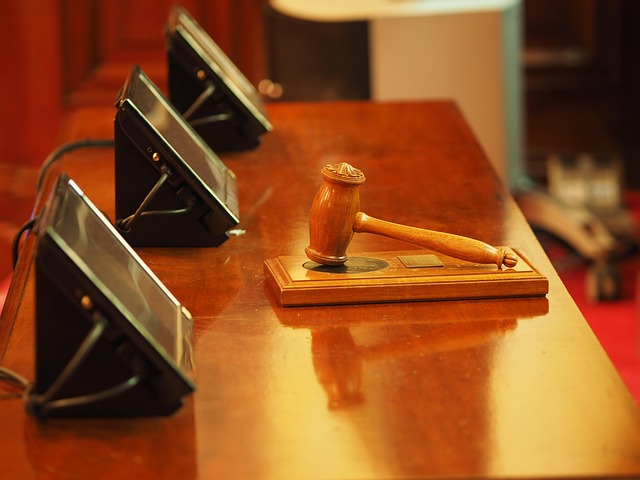
Lighting in law offices significantly impacts productivity, well-being, and client perception. Balancing natural light and artificial illumination is key. Adjustable window coverings manage glare from direct sunlight. LED fixtures are energy-efficient and versatile for both general and task lighting. Tailoring lighting to the office layout enhances efficiency and promotes a positive work environment. Warm tones (2700K-3000K) foster collaboration, while cooler light (3500K-6500K) enhances focus. Energy-efficient LED technology reduces energy consumption by up to 75%, improves visual comfort, and supports sustainability goals in law offices.
Illumination plays a pivotal role in shaping the ambiance and productivity of any professional space, especially a law office. The lighting choices for such an environment are not merely aesthetic; they directly impact work efficiency, client perceptions, and overall well-being. This article delves into the intricate process of selecting ideal lighting solutions for law offices, considering factors like task-specific requirements, energy efficiency, and ergonomic design. We will explore how the right lighting equipment can transform a legal practice, enhancing both functionality and aesthetics while ensuring a comfortable and productive work environment.
- Understanding Lighting Needs in a Law Office
- Assessing Space: Layout and Equipment Alignment
- Types of Commercial Lighting for Optimal Focus
- Color Temperature: Mood and Productivity Balance
- Energy Efficiency: Modern Solutions for Law Offices
Understanding Lighting Needs in a Law Office
The lighting environment within a law office significantly impacts productivity, employee well-being, and overall client perception. Understanding the specific needs of this professional setting is crucial to creating an optimal workspace. Law offices require lighting that not only meets legal documentation standards but also fosters a productive atmosphere. The key lies in balancing natural light with artificial illumination to accommodate various tasks throughout the day.
Natural light is highly beneficial for law offices, as it reduces eye strain and enhances mood and productivity. Strategically placing windows and incorporating skylights can provide ample daylighting, especially in waiting areas and conference rooms. This not only improves the overall aesthetics of the space but also reduces energy consumption. However, direct sunlight can cause glare on computer screens, impacting focus and comfort. Adjustable window coverings become essential tools to manage this issue, allowing for customizable lighting control throughout the day.
Artificial lighting should complement natural sources, providing additional illumination when necessary. LED fixtures are a popular choice due to their energy efficiency and versatility. Task lighting, such as desk lamps or under-cabinet lights, enables lawyers and support staff to focus on intricate work without straining their eyes. For larger areas like conference rooms or break spaces, pendant lights or track lighting can create a welcoming ambiance while ensuring adequate brightness. By considering the unique layout and activities within a law office, lighting can be tailored to enhance efficiency, promote a positive work environment, and contribute to a successful practice—all without compromising on professional aesthetics.
Assessing Space: Layout and Equipment Alignment
Choosing the right lighting for a law office goes beyond aesthetics; it directly impacts productivity and staff well-being. Assessing the space involves understanding not just the physical layout but also how law office equipment is aligned. Consider the arrangement of desks, chairs, bookshelves, and other furniture as these elements influence light distribution. For instance, a U-shaped office layout facilitates collaboration but may create shadows on certain work areas, necessitating task lighting to ensure clear visibility.
Natural light remains the optimal choice for law offices, as it reduces eye strain and enhances cognitive function. Large windows allow sunlight to illuminate spaces, promoting a healthier work environment. However, careful consideration is required to prevent glare on screens, which can be mitigated through window treatments or adjustable fixtures. Additionally, optimizing natural light can reduce electricity consumption, contributing to both cost savings and sustainability goals. Studies show that exposure to natural light improves mood and alertness among legal professionals.
Artificial lighting should supplement natural light, with a focus on quality over quantity. LED fixtures are increasingly popular due to their energy efficiency and adjustable settings. Task lighting, such as floor lamps or desk lamps, is crucial for focused work, especially during trials or late-night research sessions. Aligning these lights above work surfaces ensures even illumination without casting shadows. For larger conference rooms, consider pendant lights that can be adjusted to provide direct or ambient light, catering to various meeting needs. Regular maintenance and lamp replacement are essential to maintain optimal lighting conditions throughout the law office.
Types of Commercial Lighting for Optimal Focus
In a law office, where focus and clarity are paramount, the choice of lighting goes beyond aesthetics to impact productivity and the overall work environment. Commercial lighting options specifically designed for professional settings offer a range of benefits tailored to meet the demands of legal practice. Among these, task lighting and ambient lighting are fundamental elements that contribute significantly to creating an optimal workspace.
Task lighting, as the name suggests, is directed towards specific areas where work is performed, such as desks or reading areas. This type of lighting should be adjustable and of high intensity to minimize eye strain and enhance concentration. For instance, flexible arm lamps positioned over a lawyer’s desk can reduce glare from computer screens while providing precise illumination for reading legal documents and researching case files. Studies have shown that task lighting improves visual acuity, reduces fatigue, and increases productivity by up to 20% in office environments. In the context of a law office, where intricate work demands precision and sustained focus, this translates to more efficient case preparation and improved client interactions.
Ambient lighting, on the other hand, creates a balanced overall illumination for the entire space, promoting a sense of comfort and well-being. This is especially important in law offices where professionals often spend long hours at their desks. Warm, soft lighting from ceiling fixtures or recessed lights can reduce eye fatigue caused by constant adjustments to task lighting. Balanced ambient lighting also contributes to a positive atmosphere, fostering collaboration among colleagues and clients. For example, natural daylighting through well-placed windows, coupled with LED ambient lighting in the evenings, creates an inviting ambiance that encourages productivity and social interaction—essential aspects of a successful law office equipment setup.
When selecting commercial lighting for a law office, consider energy efficiency and durability as key factors. Modern LED fixtures offer long-lasting performance, reduced heat emissions, and significant power savings compared to traditional incandescent bulbs. Moreover, they are easily adjustable to suit different tasks and moods, ensuring that the lighting always supports productivity rather than hinders it. By prioritizing these aspects, law offices can create a productive, comfortable, and visually pleasing environment for their staff and clients, setting the stage for optimal legal work outcomes.
Color Temperature: Mood and Productivity Balance
The choice of lighting in a law office extends far beyond aesthetic considerations. A well-lit workspace not only enhances readability but also significantly influences the mood and productivity of professionals who spend long hours poring over documents. Color temperature, measured in Kelvin (K), plays a pivotal role in achieving this balance. Warm tones (2700K-3000K) evoke coziness, fostering relaxation and creativity—ideal for collaborative discussions or brainstorming sessions. Cooler light (3500K-6500K) promotes alertness and focus, making it the preferred choice for tasks demanding intense concentration, such as legal research or drafting documents.
Law offices can leverage this understanding to select lighting that complements their spaces and work flows. For instance, a conference room designed for strategic meetings might feature warm, dimmable downlights strategically placed to minimize shadows, creating an inviting atmosphere conducive to open dialogue. In contrast, individual offices or study areas dedicated to focused work could incorporate cooler, brighter overhead lights, possibly with adjustable brightness levels, to maintain peak productivity throughout the day.
Moreover, integrating natural light whenever possible amplifies these benefits. Law office equipment naturally includes windows as essential components, allowing daylight to illuminate spaces during the day. This not only reduces reliance on artificial lighting but also studies suggest can enhance cognitive performance and boost morale among legal professionals. Ergonomic task lamps that complement window light can further refine the lighting experience, providing spot illumination for detailed work while mitigating eyestrain.
Energy Efficiency: Modern Solutions for Law Offices
In today’s digital era, energy efficiency is not just an environmental consideration but a strategic imperative for law offices. Lighting, as one of the primary consumers of energy in any office space, plays a pivotal role in shaping both productivity and operational costs. Modern solutions in lighting technology offer law offices a chance to significantly reduce their energy footprint while enhancing work environments. LED lighting, for instance, has become a game-changer in this sector, with each LED bulb consuming up to 75% less energy than traditional incandescent bulbs and lasting 25 times longer, translating into substantial cost savings over time.
Beyond cost benefits, energy-efficient lighting solutions contribute to a healthier and more productive work environment. Well-lit spaces improve visual comfort, reduce eye strain, and enhance overall concentration levels among legal professionals. Additionally, the natural light mimicry of some modern LED systems can positively impact circadian rhythms, leading to better sleep patterns and improved mood for staff. This is particularly important in law offices where long hours and high-pressure environments are common, as it contributes to a healthier workforce.
Implementing energy-efficient lighting in a law office involves a strategic approach that includes assessing the existing infrastructure, understanding specific needs of various work areas, and selecting lighting equipment that aligns with sustainability goals. For instance, task lighting in offices and conference rooms can be optimized using adjustable LED fixtures, while natural light can be maximized through the use of skylights or large windows, reducing the need for artificial illumination during daylight hours. Regular maintenance and timely replacement of bulbs also ensure optimal energy performance. By adopting these modern solutions, law offices not only reduce their environmental impact but also create a more comfortable and productive environment for their personnel—a strategic win in an increasingly competitive legal landscape.
By considering the unique demands of a law office environment, from understanding spatial dynamics to selecting energy-efficient lighting solutions, you can create a productive atmosphere that enhances focus and well-being. Optimizing lighting for your law office equipment involves a strategic approach that balances color temperature for mood regulation and ensures proper illumination across all work areas. This article has provided essential insights into navigating the intricate landscape of commercial lighting choices, offering practical guidance on everything from assessing space to choosing the right color temperatures. Now armed with this knowledge, you can make informed decisions to transform your law office into a dynamic, productive workspace that supports both efficient case management and client satisfaction.