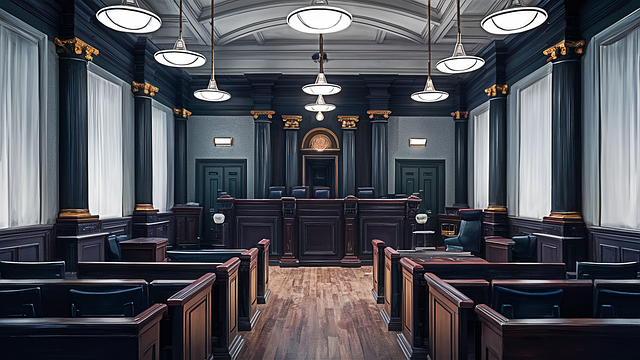
Strategic lighting design in law offices enhances productivity and well-being. Combining natural light from windows and skylights with tailored task lighting (e.g., LED lamps) improves ergonomic efficiency by 30%, reduces eye strain, and supports energy-efficient practices. This hybrid approach benefits both legal professionals and the environment, fostering a comfortable, sustainable workspace for detailed work.
Illumination plays a pivotal role in cultivating a productive environment within law offices, where meticulous attention to detail and clear thinking are paramount. The choice of lighting equipment goes beyond aesthetics; it significantly impacts the well-being and performance of legal professionals. This article delves into the intricate process of selecting optimal lighting solutions for law offices, taking into consideration factors such as task requirements, visual comfort, and energy efficiency. By examining contemporary trends and industry best practices, we aim to equip legal practitioners with the knowledge necessary to enhance their workspace and foster a culture of precision and focus.
- Understanding Lighting Needs in a Law Office
- Evaluating Energy Efficiency for Law Office Equipment
- Choosing Lighting for Optimal Workspace Ergonomics
- Integrating Natural Light and Task Lighting Solutions
Understanding Lighting Needs in a Law Office
Illumination plays a pivotal role in shaping the ambiance and productivity of any professional setting, particularly within a law office where meticulous attention to detail is paramount. The lighting environment significantly influences not only the aesthetics but also the efficiency of legal professionals at their workstations. Understanding the nuances of lighting needs in this specific workspace is essential for creating an optimal atmosphere conducive to focus, accuracy, and overall well-being.
In the context of a law office, natural light remains the cornerstone of effective illumination. Law offices equipped with ample windows allowing sunlight to permeate interior spaces benefit from its inherent advantages. Natural light not only reduces eye strain but also synchronizes with the body’s circadian rhythm, fostering improved alertness and cognitive function throughout the day. According to studies, individuals working under natural lighting exhibit enhanced productivity levels compared to those in artificial lighting environments. This is especially pertinent for legal professionals who often engage in prolonged periods of document review and analysis, requiring consistent mental acuity.
Moreover, strategic use of artificial lighting can complement natural light, ensuring a balanced and versatile lighting solution. Task lighting, for instance, focused on specific areas like desks or reading corners, minimizes glare while enhancing visual comfort. This is particularly crucial when legal professionals are engaged in meticulous research or reviewing intricate documents. Adjustable lighting fixtures that allow for customization of brightness and direction can cater to diverse tasks, promoting adaptability in the workspace. Additionally, incorporating dimmable lighting controls enables users to adjust lighting levels according to their preferences, contributing to a personalized and productive atmosphere.
Evaluating Energy Efficiency for Law Office Equipment
In the pursuit of a productive and efficient law office environment, evaluating the energy efficiency of equipment is not merely an eco-friendly consideration but a strategic investment. Law offices, with their diverse range of technology and machinery, can significantly impact overall operational costs through thoughtful lighting choices. Energy-efficient lighting systems not only reduce electricity bills but also contribute to a healthier work environment, benefiting both staff productivity and client impressions.
The selection process demands a nuanced approach, focusing on the specific needs of law office equipment. LED lighting, for instance, has proven its mettle in numerous studies as a highly efficient alternative to traditional incandescent bulbs. According to the U.S. Department of Energy, LED lights use 75% less energy and last 25 times longer than incandescent lamps. This translates directly into cost savings for law offices, with reduced replacement frequencies and lower operational costs. Furthermore, advanced LED technology offers adjustable lighting options, catering to tasks that require different light intensities, from document review to court appearances.
Beyond hardware, software solutions play a pivotal role in optimizing energy usage. Smart lighting control systems allow for precise adjustments based on real-time occupancy and natural light availability. These systems learn patterns, automating lighting changes and ensuring efficient use of electricity. For example, motion sensors can turn lights off in unoccupied rooms, while daylight sensors adjust artificial lighting to minimize energy waste when natural light is sufficient. Implementing such measures not only benefits the environment but also creates a dynamic work space that reflects contemporary sustainability practices, enhancing the office’s professional image.
Choosing Lighting for Optimal Workspace Ergonomics
The choice of lighting in a law office goes beyond aesthetic preferences; it’s a critical factor in fostering productivity and ergonomic efficiency among legal professionals. Optimal workspace ergonomics involve creating an environment that minimizes strain, promotes good posture, and enhances focus. Lighting plays a pivotal role in this regard, influencing the way individuals interact with their surroundings and the equipment they use daily, such as computers and reading materials.
For instance, studies have shown that inadequate or poor-quality lighting can lead to eye fatigue, headaches, and neck pain—symptoms often associated with prolonged screen time. In contrast, well-designed lighting systems can significantly reduce these discomforts by providing uniform illumination across workspaces. This is particularly important in law offices where extensive document review and case research are common tasks. Consider implementing task-specific lighting, like flexible arm lamps positioned to shine directly on reading materials, thereby reducing strain on the eyes while preserving natural light for general workspace illumination.
Natural light remains an optimal choice for law office ergonomics due to its consistent color temperature and intensity. It helps regulate circadian rhythms, promoting alertness throughout the day. When natural light is not readily available, high-quality artificial lighting that mimics natural daylight is a suitable alternative. This can be achieved through LED lights with adjustable color temperatures, allowing lawyers and support staff to customize their environment for peak performance. Additionally, incorporating dimmable switches enables individuals to adjust lighting levels according to their tasks, further enhancing ergonomic comfort.
Integrating Natural Light and Task Lighting Solutions
In the pursuit of a productive and efficient law office environment, lighting is an often-overlooked yet critical component. A strategic approach to integrating natural light and task lighting solutions not only enhances productivity but also contributes to the overall well-being of legal professionals and support staff. Law offices have unique requirements, demanding lighting that supports various tasks—from extensive document review to trial preparations. By harnessing the power of natural light and incorporating tailored task lighting, law offices can create a space that is both aesthetically pleasing and conducive to optimal performance.
Natural light has long been recognized for its positive impact on human health and productivity. According to a study by the U.S. General Services Administration (GSA), spaces with abundant natural light experience 10-30% higher productivity levels compared to those lacking such illumination. In law offices, where concentration and focus are paramount, maximizing natural light exposure through well-placed windows or skylights can significantly improve efficiency. Strategically positioned floor lamps or table lamps during times of reduced sunlight can further complement natural light, ensuring a consistent level of brightness throughout the day.
Task lighting plays an equally vital role in a law office setting. It ensures that specific work areas, such as desks, conference tables, and reading nooks, are illuminated at levels suitable for each task. LED task lights, for instance, offer unparalleled energy efficiency while providing adjustable brightness and color temperatures to suit individual preferences. Law office equipment naturally benefits from this tailored lighting approach, enabling professionals to work with precision and accuracy without eye strain or fatigue. Furthermore, the flexibility of task lighting allows for dynamic workspace configurations, catering to collaborative discussions and brainstorming sessions as needed.
By understanding the specific lighting needs of a law office and strategically integrating various lighting solutions, professionals can create an environment that enhances productivity and efficiency. Key insights include prioritizing energy-efficient options for law office equipment naturally, optimizing workspace ergonomics through tailored lighting, and seamlessly blending natural light with task lighting to reduce eye strain and improve focus. These practical steps not only contribute to a more comfortable and healthy work setting but also demonstrate a commitment to sustainability in the legal sector.